

Introduction
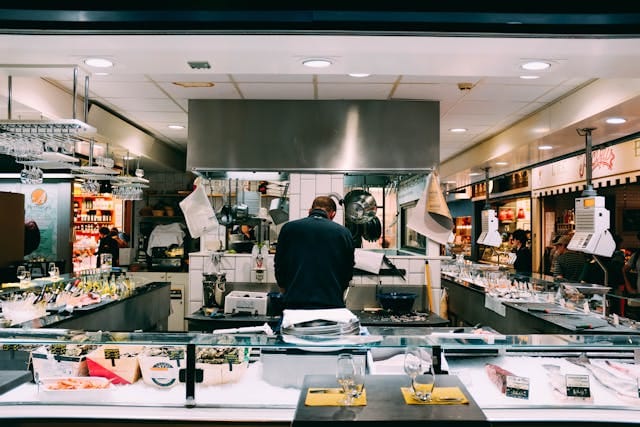
A commercial kitchen hood suppresion install is the heart of any restaurant, but it’s also the area with the highest risk of fire. Grease-laden vapors, high temperatures, and fast-paced activity create a perfect storm for a potential blaze that can devastate a business. This is why a professionally executed kitchen hood suppression install is not just a regulatory requirement; it’s the single most important safety investment for any food service establishment. Understanding the components, process, and standards involved ensures your kitchen, staff, and investment are protected. This guide will walk you through every critical aspect of the installation process, from initial consultation to final commissioning.
H2: Why a Professional Kitchen Hood Suppression Install is a Non-Negotiable Safety Measure
A professional kitchen hood suppression install is paramount because it is a life-safety system designed to automatically detect and extinguish fires without human intervention. These systems are engineered to tackle Class K fires—those involving combustible cooking media like vegetable oils, animal fats, and grease. According to the National Fire Protection Association (NFPA), cooking equipment is the leading cause of fires in eating and drinking establishments. A properly installed system targets the fire at its source, deploying a wet chemical agent that smothers the flames and cools the cooking surfaces to prevent re-ignition. It simultaneously shuts off the gas or electrical supply to the appliances, cutting off the fire’s fuel source. This rapid, automated response minimizes damage, reduces business downtime, and, most importantly, saves lives.
H2: Understanding the Core Components of a Kitchen Fire Suppression System
Before you begin a kitchen hood suppression install, it’s essential to understand the parts that make up the system. A typical pre-engineered system includes several key components working in unison. These are the control unit, detection line, nozzles, agent tank, and manual pull station.
- Control Unit/System Cylinder: This is the brain and heart of the system, housing the wet chemical fire-extinguishing agent (typically a potassium carbonate-based solution) under pressure.
- Detection Line: A network of heat-sensitive fusible links is strategically placed above the cooking appliances. When a link reaches a predetermined temperature, it melts and separates, triggering the system.
- Discharge Nozzles: Positioned over each specific hazard area (fryers, griddles, ranges), these nozzles are designed to spray the wet chemical agent in a pattern that effectively covers the appliance.
- Piping Network: A series of pipes connects the agent tank to the discharge nozzles, creating a pathway for the extinguishing agent.
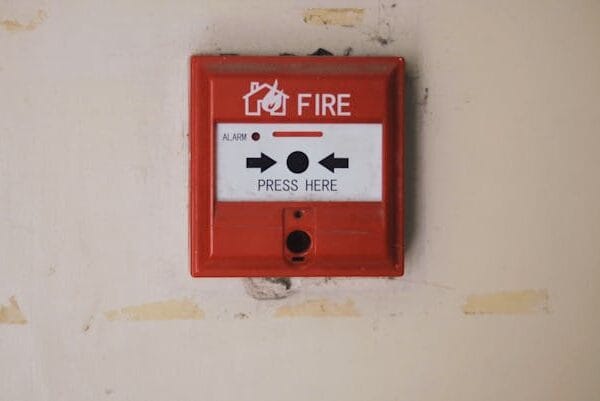
- Manual Pull Station: In compliance with codes, a manual pull station must be installed in a path of egress. This allows staff to activate the system manually if they spot a fire before the automatic detection kicks in.
- Gas/Electric Shut-off Valve: This crucial component automatically cuts the fuel or power to the cooking line when the system is activated, preventing the fire from escalating.
H2: The Step-by-Step Process of a Kitchen Hood Suppression Install
The process for a kitchen hood suppression install is meticulous and must be performed by a certified and licensed technician.
- Consultation and Design: A certified professional will first assess your kitchen layout, including the type and placement of all cooking appliances. They will then design a system that complies with NFPA standards (specifically NFPA 96 and NFPA 17A) and local fire codes. This design specifies the number and placement of nozzles, the size of the agent tank, and the routing of pipes.
- Permitting: Before work begins, the system design plans are typically submitted to the local Authority Having Jurisdiction (AHJ), such as the fire marshal, for approval and permitting.
- Installation: The technician will mount the system cylinder, install the piping network and nozzles under the hood, and run the detection line with fusible links. The manual pull station and gas shut-off valves are also installed and integrated.
- Testing and Commissioning: Once installed, the system undergoes rigorous testing. The technician will test the detection line and the manual pull station (without discharging the chemical agent) to ensure all mechanical components, including the fuel shut-off, work correctly.
- Final Inspection and Certification: The AHJ performs a final inspection of the completed installation. Upon passing, the system is certified, and a tag is placed on it indicating the date of installation and the next required inspection. Staff training on what to do when the system activates is also a critical final step.
H2: Post-Installation: Maintenance and Inspection Requirements
Your responsibility doesn’t end after the kitchen hood suppression install is complete. Ongoing maintenance is mandatory and crucial for system reliability. NFPA 17A requires a semi-annual inspection by a certified technician. During this inspection, the technician will check all components, test the detection line, check the pressure of the agent cylinder, and replace fusible links if necessary. They will document the inspection and update the service tag. Regular hood cleaning is also essential, as excessive grease buildup can impair the system’s function and provide fuel for a fire. Neglecting these maintenance duties can lead to system failure, voided insurance claims, and severe legal penalties.
Conclusion
A kitchen hood suppression install is a complex but vital process for ensuring the safety and longevity of any commercial cooking operation. From the initial design based on your specific kitchen appliances to the meticulous installation and mandatory semi-annual maintenance, every step is governed by strict codes and standards. By entrusting this critical job to certified professionals and adhering to maintenance schedules, you are not only complying with the law but also creating a secure environment for your employees, patrons, and business. Don’t compromise on fire safety; a proper installation is your first and best line of defense against a catastrophic kitchen fire.