



The food truck revolution has transformed the culinary landscape, bringing gourmet and specialty foods to the streets. But with the freedom of a mobile kitchen comes a unique and concentrated set of safety challenges. A food truck packs all the fire hazards of a full-sized commercial kitchen—hot oil, open flames, and grease-laden vapors—into a small, enclosed metal box. A fire in such a confined space can become catastrophic in seconds. This is why a compliant and functional food truck kitchen hood suppression system isn’t just a good idea; it’s a mandatory requirement for licensing and safe operation in virtually every municipality. This guide will explore the specific needs and regulations surrounding fire safety for mobile culinary businesses.
Unique Fire Risks Associated with a Food Truck Kitchen Hood Suppression System
A food truck kitchen hood suppression system must be designed to address challenges not found in a traditional brick-and-mortar restaurant. The confined space means a fire can spread incredibly quickly, and escape routes are limited. The constant vibration and movement of the vehicle can loosen fittings, damage piping, and misalign nozzles over time, compromising the system’s integrity. Furthermore, food trucks often rely on propane tanks for fuel, which adds an explosive risk if a fire is not controlled immediately. Because of these heightened risks, regulators and fire marshals hold food trucks to incredibly high safety standards, often requiring more frequent inspections than stationary kitchens.
Core Requirements for a Compliant Food Truck Kitchen Hood Fire Suppression System
The requirements for a food truck kitchen hood suppression system largely mirror those for standard commercial kitchens but with a few key considerations. Like their stationary counterparts, these systems must comply with NFPA 96 and NFPA 17A. This means they must be a wet chemical system designed to tackle Class K grease fires. The system must have automatic detection via fusible links and a manual pull station located near an exit. Crucially, it must be interlocked to automatically shut off the propane supply and any electric power to the cooking appliances upon activation. Given the vibration issue, all piping and components must be securely bracketed and mounted to withstand the rigors of the road.
The Installation and Inspection Process for Mobile Kitchens
Installing a food truck kitchen hood suppression system requires a certified technician who has experience with mobile applications. The process begins with a careful design that maximizes coverage in the tight space, ensuring nozzles are correctly placed over each appliance. The agent cylinder and control head must be mounted securely in a location where they are protected from damage but still accessible for service. After installation, the system must be inspected and certified by the local Authority Having Jurisdiction (AHJ). This certification is often a prerequisite for obtaining your business license and health department permits. Due to the harsh operating environment, many jurisdictions require food truck systems to be inspected semi-annually, just like restaurants, and some may even have more frequent check-up requirements. Always check with your local fire department for their specific rules.

Beyond Suppression: Other Essential Fire Safety Measures for Food Trucks
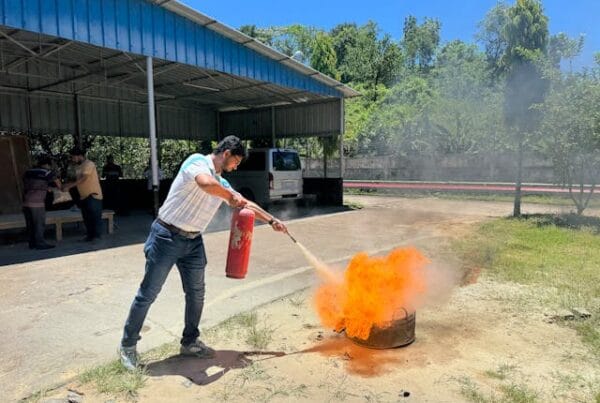
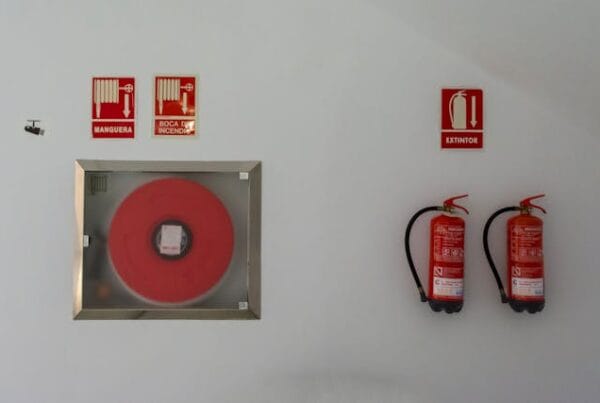
A food truck kitchen hood suppression system is your primary line of defense, but it should be part of a larger safety culture. Every food truck must also be equipped with at least one Class K portable fire extinguisher, which is specifically for grease fires, and an ABC-rated extinguisher for other types of fires (wood, paper, electrical). Staff must be trained not only on how to use these extinguishers but also on what to do if the automated suppression system activates. This includes safely evacuating the truck and calling 911 immediately. Regular cleaning of the hood and filters to prevent dangerous grease buildup is even more critical in a food truck than in a restaurant. Finally, regular inspection of propane lines and connections for leaks is a daily necessity. Resources like the U.S. Fire Administration offer valuable tips for mobile food vendor safety.
Conclusion
Operating a food truck is a dream for many entrepreneurs, but that dream can turn into a nightmare without a rigorous commitment to fire safety. A professionally installed and maintained food truck kitchen hood suppression system is the most important piece of safety equipment on your vehicle. It protects your investment, your employees, and the public. By understanding the unique risks, adhering to strict fire codes, and fostering a culture of safety awareness, you can ensure your mobile kitchen serves up delicious food safely for years to come.