

Running a successful restaurant requires juggling countless tasks, but none is more important than ensuring the safety of your establishment. A fire can destroy a lifetime of hard work in a matter of minutes. Proactive restaurant fire safety is not a one-time task but an ongoing commitment built on prevention, preparation, and having the right systems in place. A comprehensive safety plan goes beyond just having a fire extinguisher; it involves regular equipment maintenance, staff training, and a deep understanding of your kitchen’s unique risks. This checklist provides a framework for owners and managers to build and maintain a culture of fire safety in their restaurant.
H2: Item 1: A Compliant and Maintained Kitchen Hood Suppression System
The cornerstone of your restaurant fire safety plan is your automated kitchen hood suppression system. This is your first and best line of defense against a grease fire.
- Is your system a wet chemical system? Dry chemical systems are obsolete and non-compliant for modern kitchens.
- Is it inspected semi-annually? Check the service tag on your system. It should be dated within the last six months and signed by a certified technician. Schedule your next inspection before the current one expires.
- Are nozzles clear and aimed correctly? During daily checks, ensure nozzles are not caked with grease and that their blow-off caps are in place.
- Is the manual pull station accessible? Ensure it is not blocked by equipment or supplies.
H2: Item 2: Regular and Professional Hood and Duct Cleaning
Even the best suppression system can be overwhelmed if there is excessive fuel. Grease buildup in your hood and ventilation system is a major fire hazard.
- Do you have a professional hood cleaning schedule? The frequency depends on your cooking volume and type (e.g., monthly for charbroiling, quarterly for moderate use).
- Are records kept? Your cleaning company should provide a certificate or sticker with the date of service, which is required by fire inspectors.
- Are baffle filters cleaned regularly? Staff should clean the removable baffle filters in the hood weekly or even daily to prevent grease drippage and improve airflow.
H2: Item 3: Portable Fire Extinguishers and Staff Training
Portable fire extinguishers are crucial for tackling small fires before they trigger the main system or for handling fires outside the kitchen.
- Do you have the right types? You need a Class K extinguisher (for cooking oil/grease fires) in the kitchen and ABC-rated extinguishers for other areas to cover trash, wood, or electrical fires.
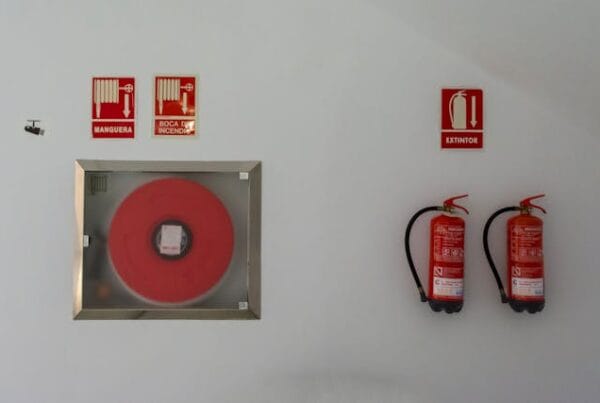
- Are they properly located and maintained? Extinguishers should be mounted in accessible locations, and the pressure gauge should be checked monthly. They require an annual professional inspection.
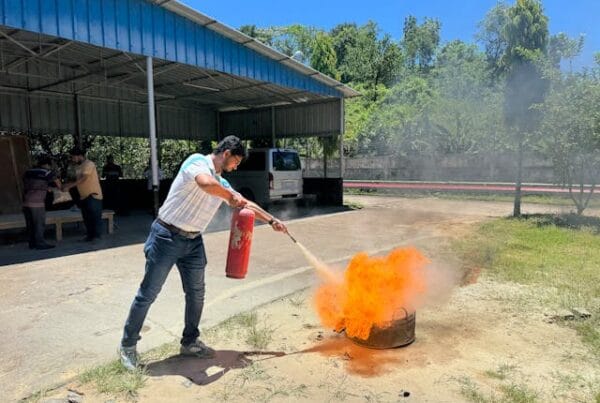
- Is your staff trained? All employees should be trained on the P.A.S.S. method (Pull, Aim, Squeeze, Sweep) for using an extinguisher. This is a key part of your restaurant fire safety protocol.
H2: Item 4: Electrical Safety and General Housekeeping
Many restaurant fires are not related to cooking but to electrical faults and poor housekeeping.
- Are electrical cords in good condition? Regularly inspect for frayed wires or damaged plugs. Avoid using extension cords for heavy-duty appliances.
- Are outlets and circuits overloaded? Ensure you have adequate circuits for your equipment to prevent overheating.
- Is storage safe? Keep combustible materials like paper products, linens, and cardboard boxes away from heat sources and ignition points.
- Is waste managed properly? Oily rags should be kept in a designated, covered metal container and disposed of daily. Dumpsters should be located a safe distance from the building.
Conclusion
Effective restaurant fire safety is a continuous process of vigilance. By using this checklist to regularly assess your kitchen’s fire suppression systems, cleaning schedules, portable extinguishers, and general housekeeping practices, you can significantly reduce your risk. A strong safety culture, where every employee is trained and aware of the potential hazards, is the ultimate ingredient for protecting your customers, your team, and your business. Don’t wait for an inspector to find a problem—make fire safety your top priority every single day.