

For commercial property owners and facility managers in Hampton, Virginia, maintaining a compliant and genuinely safe environment requires more than just reacting to inspection reports. A proactive building fire safety audit is a comprehensive, systematic review of your entire fire protection program, encompassing both active and passive systems, operational procedures, and human elements. It’s an in-depth analysis designed to identify vulnerabilities, ensure adherence to the Virginia Statewide Fire Prevention Code (VSFPC) and NFPA standards, and provide a clear roadmap for improvement. At Sefirepro, we conduct meticulous audits that give you a complete picture of your fire safety readiness.
Many businesses assume they are compliant because they pass basic inspections. However, an audit goes deeper, examining the interplay of all systems, the effectiveness of training, and the adequacy of emergency plans. It’s about achieving genuine safety, not just minimal compliance. For more insights into fire safety, visit our blog.
What Does a Building Fire Safety Audit in Hampton, VA, Cover?
A professional building fire safety audit in Hampton, VA, provides a holistic review of your property’s fire protection status. It’s more thorough than a typical compliance inspection, aiming to uncover root causes of potential issues and systemic weaknesses. Key areas of the audit include:
- Review of Fire Safety Documentation:
- Permits & Approvals: Verifying all fire protection system permits and final approvals are current.
- Inspection & Testing Records: Checking ITM (Inspection, Testing, and Maintenance) records for all active systems (sprinklers, alarms, pumps, extinguishers) to ensure they are complete and up-to-date, per NFPA 25, NFPA 72, etc.
- Building Plans: Reviewing as-built drawings, fire safety plans, and evacuation diagrams.
- Emergency Plans: Assessing the completeness and currency of your fire evacuation plan Hampton.
- Assessment of Active Fire Protection Systems:
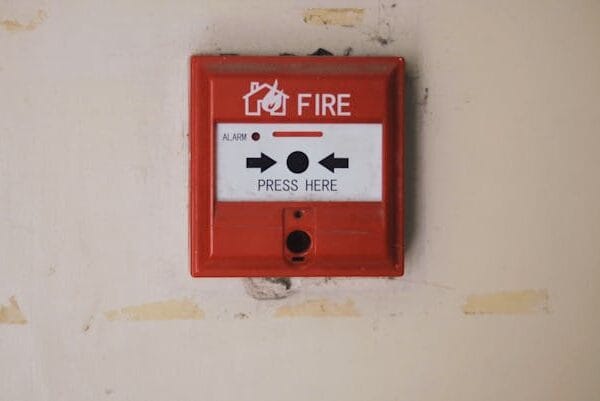
- Fire Alarm Systems: Inspection of the Building Fire Alarm System Control Panel (FACP), detectors (smoke, heat, CO), manual pull stations, and notification appliances (horns, strobes) for proper function and coverage.
- Fire Sprinkler Systems: Verification of sprinkler head type and coverage, system risers, control valves, and gauges. See our services for fire sprinkler installation.
- Fire Pumps: Evaluation of the pump’s operational status and maintenance records. See our guide on choosing a fire hydrant pump.
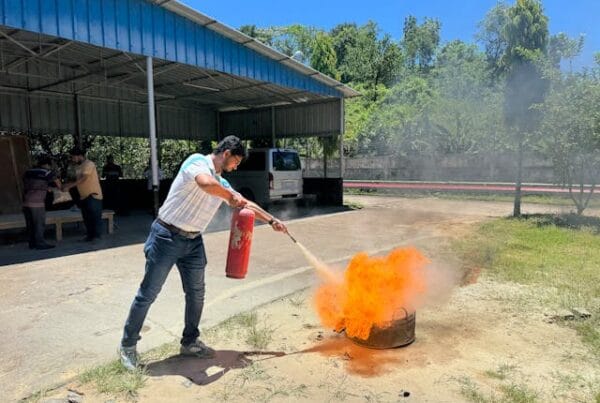
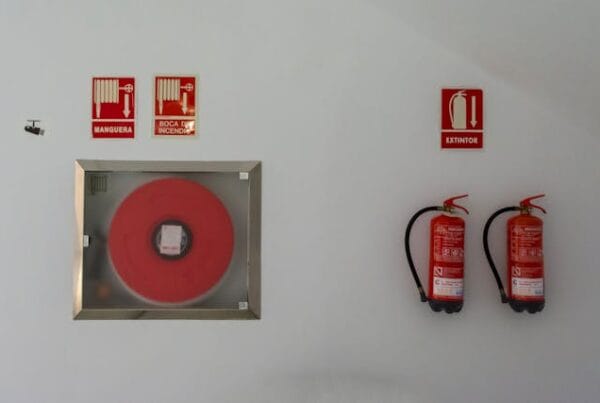
- Fire Extinguishers: Checking types, quantity, placement, accessibility, and inspection tags.
- Special Hazard Systems: Assessment of kitchen hood suppression (commercial kitchen fire prevention), clean agent systems, or foam systems where present.
- Evaluation of Passive Fire Protection Systems:
- Fire-Rated Barriers: Inspection of fire-rated walls, floors, and ceilings for breaches or damage. This includes evaluating the use of fire-resistant building material.
- Fire Stopping: Verification that all penetrations through fire-rated barriers are properly sealed with approved firestop materials.
- Fire & Smoke Doors: Inspection of fire door assemblies (door, frame, hardware, closing devices) for NFPA 80 compliance.
- Fire & Smoke Dampers: Assessment of dampers in HVAC ductwork for functionality and maintenance records.
- Review of Means of Egress:
- Inspection of exit routes, exit signs, emergency lighting, and exit doors to ensure they are clear, unobstructed, and fully functional.
- Operational Fire Safety Procedures & Human Factors:
- Housekeeping: Evaluation of storage practices, waste management, and control of ignition sources.
- Staff Training: Assessment of employee fire safety training and fire warden training programs.
- Emergency Drills: Review of fire drill frequency and effectiveness.
- Hot Work Permits: Assessment of procedures for managing hot work activities.
Benefits of a Professional Building Fire Safety Audit in Hampton, VA
- Identifies Hidden Risks: Uncovers vulnerabilities that might be missed during routine checks.
- Ensures Comprehensive Compliance: Goes beyond basic requirements to verify adherence to all VSFPC and NFPA standards. Our article on understanding Hampton, Virginia fire codes is a useful resource.
- Reduces Liability: Demonstrates due diligence and proactive risk management.
- Improves Safety Culture: Fosters a stronger, more informed safety environment.
- Cost Savings: Proactive identification of issues can prevent costly emergency repairs or code violations.
- Peace of Mind: Provides property owners and managers with a clear understanding of their safety status.
Conclusion: Achieve Total Fire Safety Confidence with Sefirepro
A building fire safety audit in Hampton, VA, is your most powerful tool for ensuring that your commercial property is not just compliant, but truly safe from fire. It’s an investment in the protection of your people, your assets, and the uninterrupted operation of your business. Don’t rely on assumptions; get the full picture.
Sefirepro provides expert, comprehensive building fire safety audits throughout Hampton, VA, and the broader Hampton Roads region. Our certified fire protection specialists deliver detailed reports with actionable recommendations, empowering you to achieve and maintain the highest standards of fire safety. Contact us today to schedule your building fire safety audit. Learn more about our team and values on our About Us page.