


Commercial kitchens are hotspots for fire hazards, with high temperatures, open flames, and flammable cooking oils. Designing fire safe commercial kitchens goes far beyond basic compliance; it requires a specialized understanding of kitchen-specific risks and the implementation of advanced protection strategies. This article explores the critical elements for ensuring maximum fire safety in these high-risk environments.
Fire Safe Commercial Kitchens: The Necessity of Specialized Kitchen Fire Suppression Systems
Standard fire suppression systems are often insufficient for commercial kitchens. The unique nature of cooking fires (especially grease fires) necessitates specialized kitchen fire suppression systems. These typically involve wet chemical agents designed to cool flames and create a foam blanket, preventing re-ignition. These systems are crucial for preventing extensive damage and protecting lives.
Mastering Commercial Cooking Fire Prevention
Effective commercial cooking fire prevention is the first line of defense. This includes strict adherence to cleaning schedules for cooking equipment and exhaust systems, proper storage of flammable liquids, and vigilant oversight of cooking processes. Employee training on safe cooking practices is also paramount.
Key Restaurant Fire Safety Guidelines
While this article focuses on kitchens, it’s important to note that many principles overlap with broader restaurant fire safety guidelines. These include maintaining clear egress paths, ensuring proper ventilation, and having a well-rehearsed evacuation plan for both staff and patrons. Our blog on restaurant fire safety offers further insights.
The Role of Hood Suppression Systems
Hood suppression systems are non-negotiable in commercial kitchens. Integrated into the exhaust hood directly above cooking equipment, these systems are designed to detect and extinguish fires originating on cooktops and in ducts. Regular maintenance and testing of hood suppression systems are vital for their reliability.
Importance of Regular Exhaust System Cleaning
One of the most common causes of commercial kitchen fires is grease accumulation in exhaust systems. The importance of regular exhaust system cleaning by certified professionals cannot be overstated. This prevents the buildup of highly flammable grease deposits, significantly reducing fire risk.
Fire Safe Commercial Kitchens: Staff Training for Kitchen Fire Emergencies
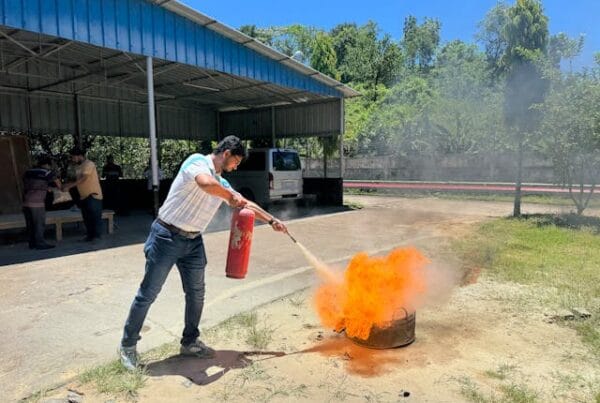
Kitchen staff are on the front lines of potential fire incidents. Comprehensive staff training for kitchen fire emergencies should cover the use of K-Class fire extinguishers, understanding the hood suppression system, and immediate evacuation procedures. Regular drills are crucial for preparedness.
Beyond Regulations: Adopting Best Practices
While adherence to regulations is mandatory, designing fire safe commercial kitchens benefits significantly from adopting best practices that go beyond minimum requirements. This proactive approach minimizes risk, protects investments, and ensures continuous operation. For example, consider advanced fire-rated materials for construction.
Fire Safe Commercial Kitchens: Partnering with Fire Safety Specialists for Kitchen Design
When designing or renovating a commercial kitchen, partnering with fire safety specialists is highly recommended. Their expertise ensures that all fire protection elements are seamlessly integrated into the kitchen layout, meeting both regulatory and operational needs. Sefirepro.com specializes in commercial kitchen fire safety design and installation.
Conclusion: Cooking Up Safety, Not Hazards
Designing fire safe commercial kitchens is a critical investment in the longevity of your business and the safety of your staff and customers. By focusing on specialized suppression systems, rigorous prevention, and expert design, you can ensure your kitchen cooks up safety, not hazards. Reach out to Sefirepro.com for a tailored fire safety solution for your commercial kitchen.