

For facility managers across Virginia, the term “NFPA 72” is one of the most important—and often most confusing—standards in the fire protection industry. A guide to NFPA 72 explained Virginia style means understanding that this document is not just a suggestion; it is the law. Formally known as the National Fire Alarm and Signaling Code®, NFPA 72 is the comprehensive national standard that dictates the proper installation, performance, testing, and maintenance of fire alarm systems. The Virginia Statewide Fire Prevention Code (VSFPC) adopts NFPA 72 by reference, making its rules the legal requirement for every commercial building in Hampton, Norfolk, and across the commonwealth.
At Sefirepro, our entire fire alarm division operates by this code. Our NICET-certified technicians are fluent in NFPA 72, ensuring that your system is designed, installed, and maintained for 100% compliance and maximum safety. This article will break down the essential components of this code that every Virginia building owner needs to know.
What is NFPA 72 and Why Does it Matter in Virginia?
If you think of your building fire alarm system as a complete entity, NFPA 72 is its instruction manual, rulebook, and testing guide all in one. It covers every single component, from the “brain” (the control panel) to the “senses” (detectors) and the “voice” (horns and strobes).
A copy of the code can be viewed at the NFPA’s website. Understanding its basics helps you understand what the Hampton Fire Marshal is looking for during an inspection and why your service partner, Sefirepro, makes certain recommendations.
Key Chapters of NFPA 72 Explained for Virginia Businesses
NFPA 72 is a massive document. However, a few key chapters govern the majority of what a building owner will ever deal with.
1. Chapter 14: Inspection, Testing, and Maintenance (ITM)
This is the most critical chapter for an existing building. It dictates the frequency and method for testing every part of your system to ensure it’s still working. When a Sefirepro technician hands you a compliance report, it’s based on this chapter.
- Annual Tests: This is the big one. Your entire system must be tested by a certified professional every year. This includes:
- Testing 100% of your smoke detectors, heat detectors, and pull stations.
- Functionally testing all audible (horns) and visual (strobe) notification appliances.
- Verifying all control panel functions and battery backup.
- Semi-Annual Tests: Batteries must be tested twice per year.
- Quarterly/Monthly: Certain components, like valve tamper switches on a sprinkler system, require more frequent checks.
This chapter is the “why” behind your service contract. Without this documented annual test, your building is non-compliant.
2. Chapter 17: Initiating Devices (Detectors & Pull Stations)
This chapter provides the rules for where to put detection devices. This part of NFPA 72 explained Virginia style means understanding our local building stock.
- Smoke Detector Placement: Detectors can’t just be placed anywhere. They must be on the ceiling (not walls, usually) and a certain distance away from corners or HVAC vents to avoid dead air spots.
- Heat Detectors: This chapter guides us to use heat detectors instead of smoke detectors in areas like kitchens, garages, or attics, where non-fire particles (steam, dust, exhaust) would cause false alarms. This is critical for locations needing commercial kitchen fire prevention.
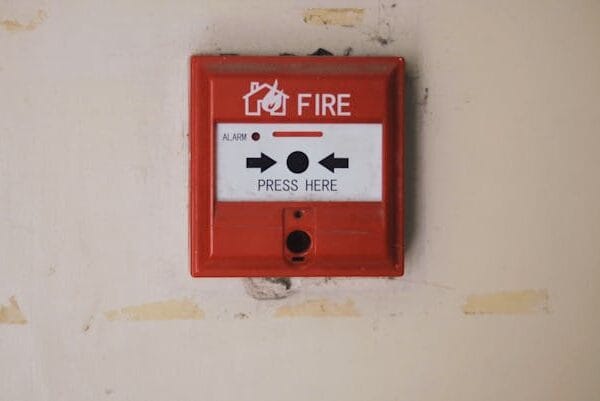
- Pull Station Location: Pull stations must be located within 5 feet of every exit.
3. Chapter 18: Notification Appliances (Horns & Strobes)
This chapter ensures that when an alarm does go off, everyone in the building is alerted.
- Audibility: Horns must be loud enough to be heard over the normal ambient noise of the area.
- Visibility (ADA Compliance): This is a major focus. Strobes must be installed in common areas, restrooms, hallways, and any “public accommodation” area to alert those with hearing impairments. The strobe’s flash rate and intensity (candela) are strictly regulated.
4. Chapter 26: Supervising Station Alarm Systems (Monitoring)
This chapter explains how your fire alarm system communicates with the outside world. An alarm that no one hears is useless.
- Monitoring: This code requires most commercial buildings to have their alarm system professionally monitored by a UL-listed Central Station. When your alarm activates, the panel seizes the phone line or cellular/IP communicator and sends a signal to the monitoring station, which then dispatches the fire department.
- This is a core service Sefirepro provides, ensuring a rapid, 24/7 response.
How Sefirepro Applies It
Understanding the code is one thing; applying it is another. Our process, guided by NFPA 72, ensures your safety:
- Design & Installation: Our engineers design new systems based on the current NFPA 72 code, ensuring proper device placement and notification coverage from day one.
- Inspection & Testing (ITM): Our technicians use advanced testing equipment and a digital reporting system that itemizes every device tested, its location, and its pass/fail status. This provides the documentation you need for the Hampton Fire Marshal.
- Maintenance & Repair: When a device fails, we replace it with a component that is UL-listed and compliant with NFPA 72, ensuring your system’s integrity is never compromised.
Common Misconceptions About NFPA 72
- “My building is old, so I’m grandfathered in.” This is a dangerous myth. While the installation code might be grandfathered, the Inspection, Testing, and Maintenance requirements of Chapter 14 apply to ALL systems, regardless of age.
- “I can just push the ‘test’ button on my panel.” This only tests the panel’s internal function. It does not test the actual detectors or their ability to send a signal, which is the entire point of the annual inspection.
Conclusion: Trust the Experts to Explain and Implement it
NFPA 72 explained Virginia style is simple: it’s the comprehensive rulebook for your fire alarm system’s design, installation, and maintenance, and it is the law. Navigating its complexities is a job for certified professionals.
The team at Sefirepro is your local Hampton Roads expert on NFPA 72. We take the burden of compliance off your shoulders so you can focus on your business, secure in the knowledge that your system is ready to perform. Learn more about us and our team of NICET-certified technicians.
If your fire alarm tag is out of date or you’re confused about your system’s requirements, contact Sefirepro today for a full compliance review.