

Norfolk, Virginia, is a city steeped in history, with beautiful and irreplaceable architecture lining the streets of neighborhoods like Ghent, Freemason, and Downtown. For the owners and custodians of these properties, there is a profound responsibility to preserve this history. However, this duty creates a complex conflict with one of the most critical responsibilities of any building owner: modern fire safety. The unique fire safety challenges for historic buildings in Norfolk require a specialized approach, one that balances preservation with the absolute necessity of protecting lives. At Sefirepro, we are experts in navigating this delicate balance, designing and installing state-of-the-art fire protection systems that safeguard both your property and its priceless heritage.
Traditional fire protection methods, like running large sprinkler pipes through walls or installing conspicuous alarm devices, are often unacceptable in a historically significant building. The materials that give these buildings their character—aged wood, intricate plasterwork, and open atriums—are the very things that make them exceptionally vulnerable to a devastating fire.
The Unique Conflict: Preservation vs. Protection
The primary challenge is that the goals of historic preservation and modern fire safety codes are often at odds. The Virginia Statewide Fire Prevention Code (VSFPC) is written for modern construction, mandating system installations that can be invasive. Historic preservation guidelines, like those from the U.S. National Park Service, prioritize retaining the original character and materials of the building.
Finding a solution requires a fire protection partner who is part engineer, part historian. This is where Sefirepro excels. We understand that solving the fire safety challenges for historic buildings in Norfolk means thinking outside the standard installation box.
Key Fire Safety Challenges for Historic Buildings in Norfolk
These properties present a unique set of risks that are far different from any modern commercial building.
1. Highly Combustible Construction Materials
Many historic buildings in Norfolk were constructed using “balloon framing,” a technique where wall studs run unbroken from the foundation to the roof. This creates open, vertical cavities within the walls that act as perfect chimneys for fire and smoke, allowing a fire on the first floor to reach the attic in minutes. Compounding this is the use of aged, dry wood (often cured for over a century), oil-based paints, and original finishes that have a much higher fuel load than modern fire-resistant building materials.
2. Outdated and Dangerous Electrical & Mechanical Systems
Original “knob-and-tube” wiring, early electrical panels, and antiquated HVAC systems are some of the most common ignition sources. These systems were not designed to handle the electrical load of modern offices, restaurants, or residences. Overloaded circuits are a massive fire risk, hidden deep within combustible walls.
3. The Complexity of Retrofitting Modern Systems
This is the greatest of all fire safety challenges for historic buildings in Norfolk. How do you install a modern fire sprinkler or alarm system without destroying the very history you’re trying to protect?
- Fire Sprinklers: Installing a traditional wet-pipe fire sprinkler installation involves running large pipes through walls and ceilings, which can be disastrous to irreplaceable plasterwork and murals. A leak could also cause catastrophic water damage.
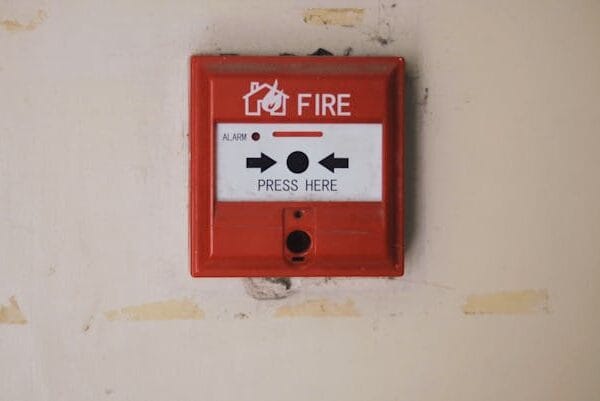
- Fire Alarms: Running conduit and wiring for a building fire alarm system can mean cutting into original horsehair plaster, drilling through decorative molding, and placing visually obtrusive devices in pristine spaces.
4. Code Compliance and “Change of Use”
When a historic building is repurposed—for example, an old warehouse on Granby Street converted into apartments or a restaurant—it must be brought up to the modern fire code for its new “use.” This often triggers requirements for full sprinkler systems, fire-rated walls, and new emergency exits, all of which pose significant architectural challenges. Navigating the code equivalencies and exceptions requires a deep understanding of Hampton and Norfolk fire codes.
Overcoming the Fire Safety Challenges for Historic Buildings in Norfolk
Sefirepro utilizes advanced, minimally-invasive technologies to meet modern safety standards while respecting the building’s historic integrity.
- Specialized Sprinkler Systems: Instead of a standard wet system, we can design:
- Pre-Action Systems: These systems keep water out of the pipes until a fire is detected by both a smoke detector and a sprinkler head, virtually eliminating the risk of water damage from a pipe leak or accidental head break.
- Concealed Sprinkler Heads: We use sprinkler heads that are recessed into the ceiling and covered by a plate that can be custom-painted to match the existing décor, making them virtually invisible.
- Meticulous Pipe Fitting: Our expert installers are trained to hide pipe in existing chases, closets, and ceiling cavities, preserving the original aesthetic.
- Wireless & High-Tech Alarm Systems:
- Wireless Fire Alarms: This is a revolutionary solution for historic buildings. Detectors, pull stations, and horns communicate wirelessly with the main control panel, eliminating the need to run 90% of the destructive wiring and conduit.
- Aspirating Smoke Detection (ASD): For high-value spaces like museums or libraries, an ASD system uses tiny, flexible tubing to actively “sniff” the air for the earliest particles of smoke. The tubing can be hidden completely, offering invisible and incredibly fast detection.
Conclusion: Preserve Your Legacy with Sefirepro
The fire safety challenges for historic buildings in Norfolk are significant, but they are not insurmountable. Protecting your historic property requires a fire protection partner who respects its past while securing its future. You do not have to choose between preservation and safety.
The team at Sefirepro has the technical expertise and the delicate touch required for historic retrofits. We work closely with architects, preservationists, and the Norfolk Fire Marshal to design compliant, effective, and discreet systems. Learn more about us and our commitment to the Hampton Roads community.
Don’t risk your irreplaceable landmark. Contact Sefirepro today for a consultation on how to safely protect your historic building.